



How to use (when it arrives)
4 STEPS
You can use your cape right away without washing it. We inspect every cape before we ship it.
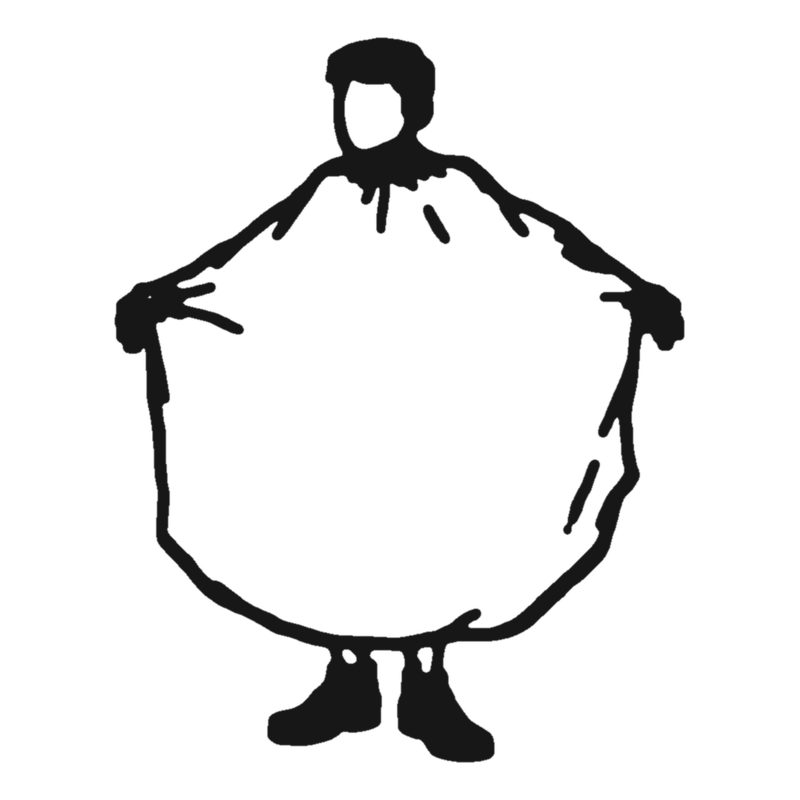
01 OPEN
Spread the cape wide.
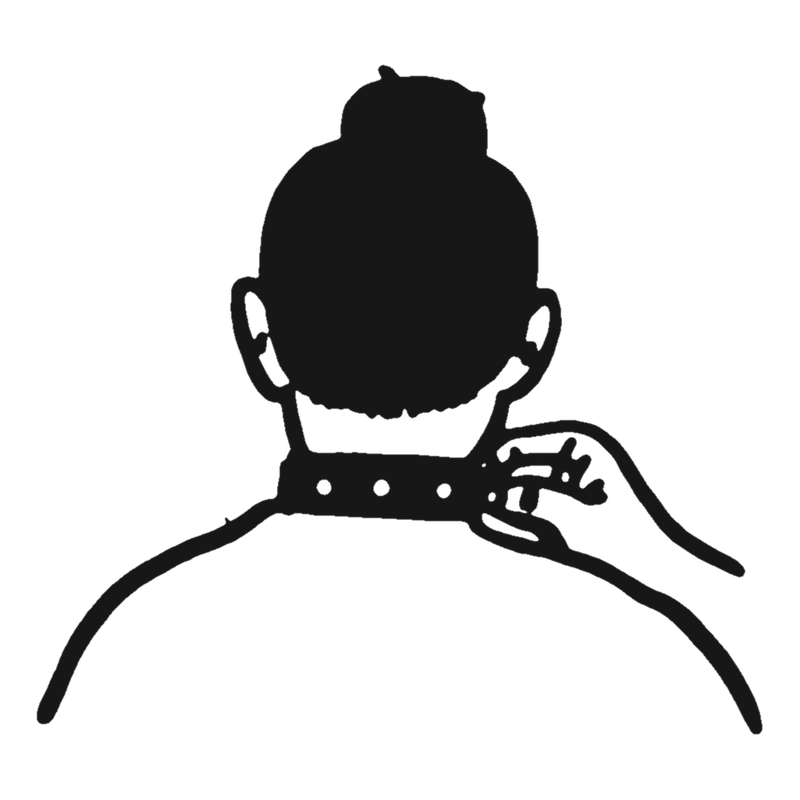
02 SNAP
Fasten as many snaps as you can. Clean silhouette.
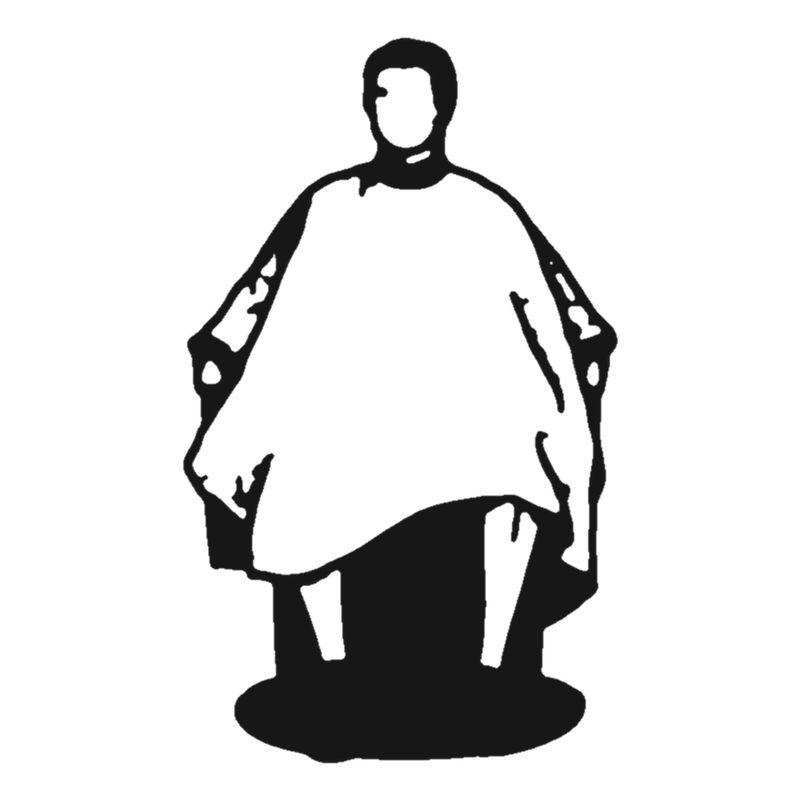
03 CENTER
Even on both sides. Your client sees it in the mirror.
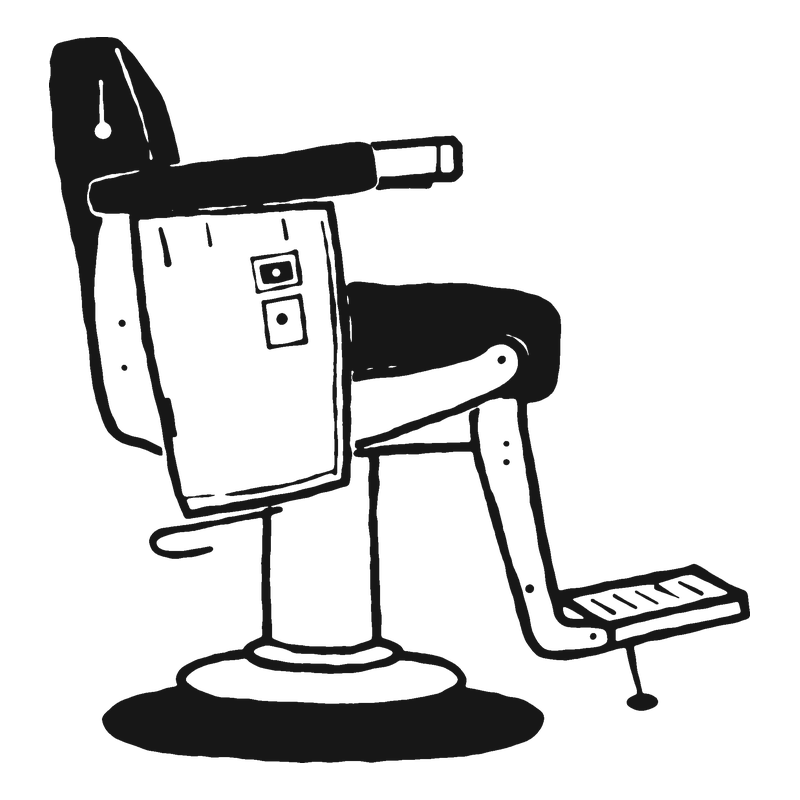
04 FOLD
After use, fold it neatly and store it.
Before you wash
DON'T

Machine wash without a net
Always put the cape in a laundry net before machine washing.

Bleach and enzyme detergents
Do not use bleach, detergents with optical brighteners or enzymes, mildly alkaline detergents, or fabric softener.

Warm water and heat
Do not wash in water warmer than 30°C (86°F).

Tumble dryer
Do not use a tumble dryer. It damages the leather parts.

Ironing the leather parts
Do not iron the leather parts.

Hair color and perm solution
Do not let hair color or perm solution touch a cape with leather parts.
Washing
CARE GUIDE
Washing your cutting cape about once a week to once a month is enough.
The care label says hand wash.
Water and detergent
Room-temperature water, 30°C (86°F) or below.
A small amount of pH-neutral detergent (pH 6–8, for delicates).
Use a detergent with no bleach or optical brighteners (to prevent color fading of the leather parts).
Do not use enzyme detergents, mildly alkaline detergents, or fabric softener.
Hand wash
① Dissolve the detergent in the water.
② Gently press the cape in the water. Do not scrub or wring it.
③ Rinse thoroughly.
Machine wash
If you use a washing machine, put the cape in a laundry net and use the hand-wash cycle (gentle water flow).
Always use a laundry net to protect the metal parts and the leather parts. Choose a net size as you would for normal clothes.
Before you put the cape in the laundry net, fasten 3 to 5 snaps.
You can use the spin cycle. The spin can easily bend the leather parts out of shape, so stretch them back into shape before they are fully dry, and hang the cape to dry.
You can wash the cape with towels.
Drying and ironing
DRY & IRON
Drying
While the leather parts are still wet, reshape them with your fingers.
Hang the cape to dry in a well-ventilated, shady place. It takes about 60 minutes to dry. Drying time for the leather parts changes with temperature and humidity.
Do not use a tumble dryer. It damages the leather parts.
Ironing
Iron only the polyester body on low heat, 110°C (230°F) or below. Use a pressing cloth.
Do not iron the leather parts. Heat can make them hard or make them shrink. Smoothing the leather parts flat by hand helps prevent wrinkles.
Care symbols
CARE LABEL

Hand wash
Do not bleach

Iron on low heat, up to 110°C (230°F)

Do not dry clean

Professional wet cleaning (very mild process)
Do not tumble dry

Line dry in the shade

Washable Leather
The leather at the neckline and hem is genuine leather, specially treated to be washable. Enjoy how the leather ages and softens with every wash.
The color of the leather parts can transfer to the cape fabric or other cloth in the wash (dye transfer). If you follow our recommended care and stay within the expected lifespan (about 2 years if washed 12 times a year), dye transfer is unlikely. If you do not follow our recommended care, or use the cape beyond the expected lifespan, dye transfer can happen.
The expected lifespan of the leather parts is about 2 years if washed 12 times a year. The water-resistant finish of the leather parts gets a little weaker with every wash.
We do not repair or replace only the leather parts. When the leather part at the neckline starts to wear out, it is a sign that it is time to buy a new cape. Leather parts that have been deformed by high heat are not expected to return to their original shape.
As a rule, we recommend not using disinfecting alcohol, leather oils or creams, or any other way of disinfecting the cape. In particular, do not use solvents on the leather parts.
If something goes wrong
NEED HELP
Care questions and problems after use
Problems found after use or washing are not eligible for return or exchange.
For care questions or problems, please email hello@nakamura-shop.com. Include your order number, photos, and how you washed the cape (including the name of the detergent you used).
If dye transfer or a chemical stain happens, please contact us with photos before you use bleach or a color remover yourself.
Returns and exchanges
We do not accept returns or exchanges for personal reasons, such as a change of mind.
If the item arrives damaged or defective, or if we sent the wrong item, please email hello@nakamura-shop.com with photos within 7 days of delivery. In that case, we pay the return shipping.
When we reply
We aim to reply within 3 business days of your message. Our business days are Tuesday to Friday (Japan time).
Key points
SUMMARY
Applies to: Cutting capes with leather parts at the neckline and hem (for shaving capes, see the section below)
When it arrives: You can use it right away without washing (inspected before shipping)
How often to wash: About once a week to once a month is enough
Care label: Hand wash
Washing machine: In a laundry net, on the hand-wash cycle (gentle water flow). Always use a net (fasten 3 to 5 snaps before putting the cape in). The spin cycle is OK (the leather parts bend easily, so stretch them into shape before they are fully dry). Washing with towels is fine
Water temperature: Room temperature, 30°C (86°F) or below
Detergent: A small amount of pH-neutral detergent (pH 6–8, for delicates). No bleach, optical brighteners, enzymes, mildly alkaline detergents, or fabric softener
Tumble dryer: Do not use (it damages the leather parts)
Drying: Reshape the leather parts while wet and hang to dry in the shade. About 60 minutes to dry (drying time for the leather parts depends on temperature and humidity)
Ironing: Polyester body only, with a pressing cloth, 110°C (230°F) or below. Not on the leather parts
Cleaning: Do not dry clean. Professional wet cleaning (very mild process) is OK
Chemicals: Do not let hair color or perm solution touch capes with leather parts. As a rule, do not use disinfecting alcohol, leather oils or creams, or solvents
Leather parts: Washable horsehide leather. Expected lifespan: about 2 years if washed 12 times a year. We do not repair or replace them. When they wear out, it is a sign that it is time to buy a new cape. Leather deformed by high heat is not expected to return to its original shape
Dye transfer: The color of the leather parts can transfer to the fabric or other cloth. Unlikely with our recommended care and within the expected lifespan. If it happens, send us photos before using bleach or a color remover
Fabric: Polyester. It does not shrink or fade
Terms: Neckline = collar, hem = bottom edge. Dye transfer = the color of the leather parts getting onto the fabric or other cloth (such as towels). Color fading = the color of the leather parts or the fabric itself getting lighter from washing or sunlight
For shaving cape owners
SHAVING CAPE
Our shaving capes have no leather parts. You can machine wash them and use a tumble dryer (see each product page).
As a guide, wash your shaving cape about once a day to once a week. Water from shaving is not a problem.
Our cutting capes are not designed for use during shaving.